
How to spend 2-days in Sigiriya
Ultimate Guide to Sigiriya
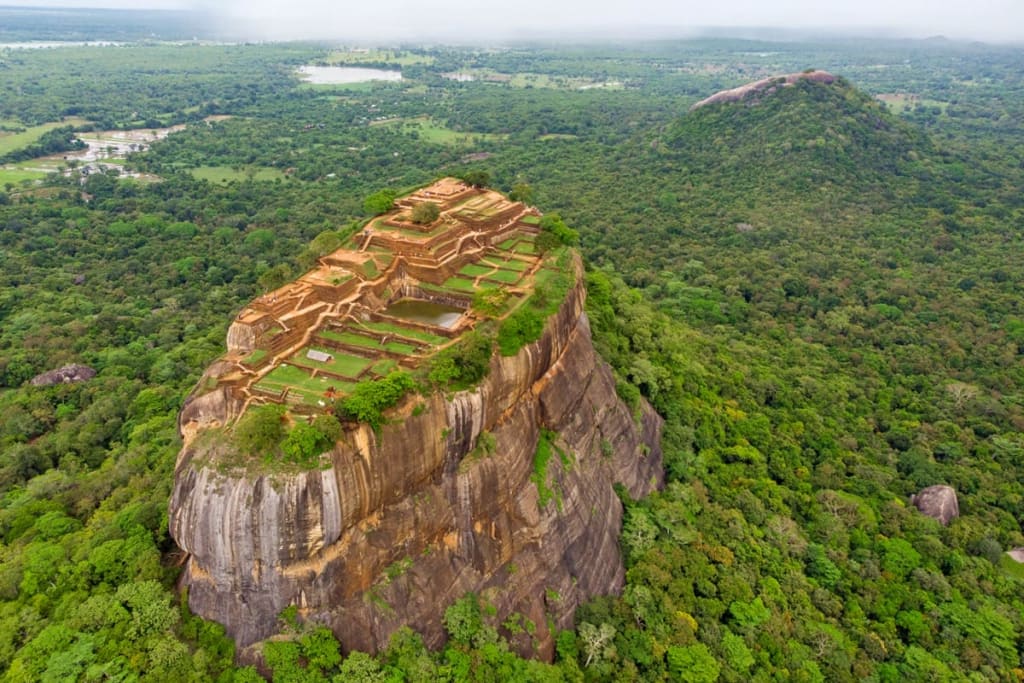
The island of Sri Lanka is an amazing place of nature, history and culture combined. Sigiriya is one of Sri Lanka’s most remarkable destinations, where ancient history meets quiet countryside life. A two-day trip to the region gives travellers enough time to explore the famous rock fortress, nearby temples, villages, as well as the natural surroundings. This is a breakdown of the best way to spend two days in the Lion Rock Fortress.
Arriving And Settling into The Cultural Triangle
Most journeys to Sigiriya involve a scenic drive through Sri Lanka’s famous Cultural Triangle. This is a region where forests, lakes, and small villages gradually replace busy towns. Arriving around midday gives travellers ample time to relax before beginning exploration. Choosing a Sigiriya hotel to call home for the next two days is the next step after getting there. Habarana Village by Cinnamon, among the other options, provides a peaceful introduction to the region. After checking in, a slow walk around the grounds gives guests a few minutes to adjust to the surroundings. Birdlife, open landscapes, as well as the beautiful views of the lake, encourage travellers take things slow. A relaxed evening and early rest prepare you for the early start the next day.
Day One Sunrise at Pidurangala Rock
Begin the first full day as early as possible to get ahead of everything to be done. Embark on a hike before sunrise up Pidurangala Rock. Many travellers consider this one of the best viewpoints in the region. The climb takes around 30 to 40 minutes and passes a small temple before reaching rocky paths near the summit. The final leg of the hike will have travellers stepping across boulders, which is quite rewarding once you reach the top. From the summit, you can see Sigiriya Rock rising in the distance. Watching the sunrise slowly light the countryside creates a calm and memorable start to the day. The early timing also avoids strong heat later in the morning.
Exploring The Ancient Sigiriya Rock Fortress
Sigiriya Rock Fortress remains the most important part of any visit to the region. Built in the 5th century by King Kashyapa, the site served as a royal palace surrounded by advanced gardens and water systems. It is said that the king fled to the rock after committing regicide and was pursued by his brother. The climb to Sigiriya begins through beautifully landscaped water gardens. This area then leads to a boulder path shaped by ancient design. Along the way, travellers pass famous frescoes painted onto rock surfaces and the mirrored wall, once polished to reflect visitors. Halfway up, large lion paws carved into stone mark the entrance to the upper palace. From here, stairways lead to the summit, where ruins overlook the 300-plus acres of land surrounding Sigiriya.
Experiencing Village Life Around Sigiriya
After lunch, you can embark on a slower cultural activity that provides balance following the morning climb. Village experiences in proximity to the Sigiriya rock introduce travellers to rural Sri Lankan life. Activities usually include a boat ride across a lake, walks through farmland, and demonstrations of local cooking methods. Visitors learn about daily routines and agricultural practices that continue even today. These experiences help travellers understand how modern village life connects with the same landscapes that once supported ancient kingdoms.
Visiting The Dambulla Cave Temple
The second day can be about visiting the famous Dambulla Cave Temple, located a short drive from Sigiriya. This UNESCO-recognised religious site includes five cave shrines filled with Buddha statues as well as a number of colourful murals dating back centuries. The climb to the caves is relatively gentle and rewarding. Inside, you will find painted ceilings and statues that create a peaceful atmosphere and encourage quiet observation. Worshippers and monks continue to visit regularly, showing that the temple remains an active place of faith.
About the Creator
Keep reading
More stories from Jeewanthi Armstrong and writers in Journal and other communities.
How to Bring Traditional Thai Elegance to a Wedding in Chiang Mai
Chiang Mai is a place where history, craftsmanship, and landscape can shape unique ceremonial experiences. Introducing traditional Thai elegance into a wedding here means grasping the significance of rituals, architectural context, and the cultural elements that define northern Thailand’s identity.
By Jeewanthi Armstrong3 days ago in Journal
Author’s Advice
If you would’ve asked me 20 years ago did I know I’d become a writer and an author, I would’ve said “nope, ain’t happening”. As fate would have it I did become an author and I can honestly say I’m loving it so far. It really does feel good to be a writer. I’ve learned a lot on this journey and I feel like with even me being as new to this world as I am, there’s some wisdom I need to share with every other aspiring author.
By Joe Patterson20 days ago in Journal
Precision Viticulture Market Is Turning Vineyards Into Data-Driven Operations Worth Billion
Wine has been made largely the same way for thousands of years, vines planted in rows. Soil is worked by hand or machine. Grapes were harvested when a grower's experienced eye judged them ready. The accumulated wisdom of generations is passed down through observation and practice.
By Harvey Specter6 days ago in Journal



Comments
There are no comments for this story
Be the first to respond and start the conversation.