
Energy Recovery Systems in RTG Operations
Enhancing Efficiency and Sustainability
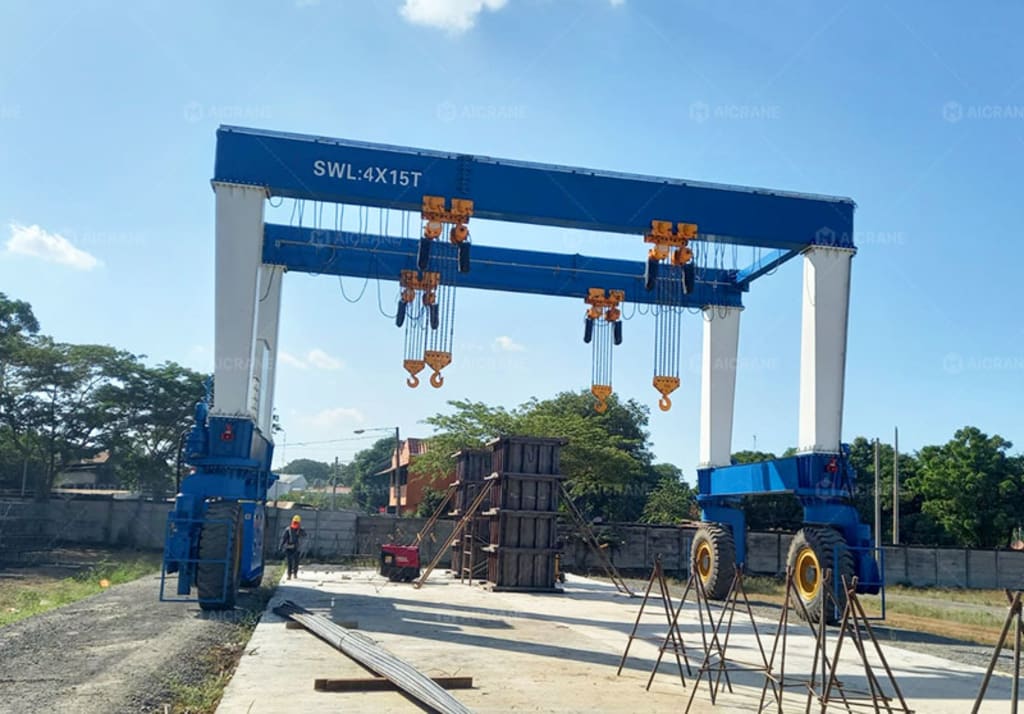
Rubber Tyred Gantry (RTG) cranes are a cornerstone of modern container terminals and intermodal facilities, enabling the efficient stacking, loading, and unloading of containers. However, these cranes are energy-intensive machines. Traditionally powered by diesel engines or electric motors, RTGs consume significant energy, driving up operational costs and contributing to environmental impact. In recent years, energy recovery systems have emerged as a crucial solution for improving the efficiency, sustainability, and cost-effectiveness of RTG operations.
Understanding Energy Recovery in RTG Cranes
Energy recovery, also referred to as regenerative energy or regenerative braking, involves capturing and reusing energy that would otherwise be wasted during crane operation. RTG cranes frequently perform heavy lifting, lowering, and trolley movements, all of which generate kinetic energy. In conventional RTGs, this energy is lost as heat through braking systems. Energy recovery systems convert this otherwise wasted energy into usable electrical energy, which can be fed back into the RTG’s power system or stored for later use.
For example, during a container lowering operation, the hoist motor acts as a generator, converting the gravitational potential energy of the load into electrical energy. This energy can then be used to power other RTG functions, such as trolley movement, gantry travel, or auxiliary systems. In some advanced setups, the recovered energy can even be returned to the terminal’s grid, creating additional cost savings and reducing overall energy consumption.
Key Components of RTG Energy Recovery Systems
A typical energy recovery system in an RTG crane includes several critical components:
Regenerative Drive Units
These are motor drives capable of operating in both motoring and generating modes. During lifting, the drive consumes electrical energy to raise containers, while during lowering, it converts mechanical energy back into electrical energy.
Energy Storage Systems (ESS)
Captured energy needs to be stored efficiently for later use. RTGs may utilize batteries, supercapacitors, or flywheels to temporarily store regenerative energy. Supercapacitors are particularly popular in RTG applications due to their high power density and ability to handle frequent charge-discharge cycles.
Power Electronics and Converters
To manage the flow of energy between motors, storage systems, and the grid, sophisticated power electronics are required. These include inverters, rectifiers, and DC-DC converters that ensure energy is safely and efficiently routed.
Control Systems
Modern RTGs employ intelligent control systems to optimize energy recovery. These systems monitor crane load, movement, and operational cycles, dynamically adjusting braking and energy capture to maximize efficiency without compromising safety.
Benefits of Energy Recovery in RTG Operations
Implementing energy recovery systems in RTGs offers multiple tangible and strategic benefits:
1. Significant Energy Savings
Energy recovery systems can recapture up to 30–50% of the energy used during container handling operations, depending on crane workload and operating patterns. For electrically powered RTGs, this translates to substantial reductions in electricity consumption and operating costs.
2. Reduced Fuel Consumption for Diesel RTGs
Hybrid or diesel-electric RTGs benefit from regenerative braking, which reduces the need to run diesel generators continuously. This decreases fuel consumption, saving money while reducing greenhouse gas emissions.
3. Lower Environmental Impact
Energy recovery systems directly contribute to sustainability goals by reducing CO2 emissions and other pollutants. For terminals looking to meet environmental regulations or corporate sustainability targets, regenerative RTGs offer a compelling advantage.
4. Reduced Wear and Maintenance
Traditional mechanical braking systems experience high wear due to frequent stopping and starting under heavy loads. Energy recovery systems minimize reliance on mechanical brakes, extending their service life and reducing maintenance costs.
5. Enhanced Operational Efficiency
With regenerative energy, RTGs can operate more smoothly and respond faster to dynamic operational demands. Stored energy can supplement peak power requirements, reducing load on primary power systems during high-activity periods.
Energy Recovery Techniques in RTG Cranes
There are multiple techniques for implementing energy recovery in RTGs, each with its own advantages and challenges:
1. Regenerative Hoist Braking
The hoist is the primary candidate for energy recovery, as lifting and lowering containers is energy-intensive. During lowering, the motor operates as a generator, feeding energy back to the crane's power system or energy storage unit.
2. Regenerative Gantry Travel
RTGs move on rubber tires across container yards. By installing regenerative drives on travel motors, braking during deceleration can capture kinetic energy, which is then reused for acceleration or hoist operations.
3. Hybrid Energy Storage Integration
Combining regenerative drives with onboard energy storage systems, such as batteries or supercapacitors, allows energy to be stored temporarily during operations and reused immediately when needed. This reduces dependency on grid power and improves energy flexibility.
4. Grid-Tied Regeneration
In terminal environments with robust electrical infrastructure, recovered energy can be fed back into the grid. This approach requires sophisticated power electronics and grid-compatible control systems but maximizes energy efficiency and provides financial returns via reduced electricity costs.
Implementation Considerations
While the benefits of energy recovery in RTGs are compelling, successful implementation requires careful planning:
Operational Profile Assessment
Terminals must analyze crane utilization patterns, including lifting cycles, travel distance, and container throughput. Energy recovery is most effective when cranes frequently perform repetitive lifting and lowering operations.
Integration with Existing Systems
New energy recovery systems should be compatible with existing RTG controls, motors, and power supply. Retrofitting older cranes may require significant electrical upgrades, while new RTGs can be designed with energy recovery from the outset.
Safety and Reliability
Energy recovery introduces additional complexity to crane systems. Robust safety protocols must be implemented to prevent uncontrolled energy release or system failure.
Cost-Benefit Analysis
Initial investment in energy recovery technology can be substantial. However, long-term energy savings, reduced fuel consumption, and lower maintenance costs typically provide a favorable return on investment within a few years.
Case Studies and Industry Adoption
Leading container terminals worldwide are increasingly adopting energy recovery RTGs. For example, several European and Asian ports have implemented hybrid electric RTGs equipped with supercapacitor-based regenerative systems, achieving energy savings of 25–40% and reducing diesel consumption in hybrid units by up to 30%.
Similarly, large-scale terminals in North America are incorporating regenerative RTGs as part of sustainability initiatives, reducing terminal energy costs and carbon footprints. These installations demonstrate that energy recovery technology is not only feasible but essential for modern, energy-conscious port operations.
Future Trends
The future of RTG energy recovery lies in more intelligent, adaptive systems:
AI-Driven Energy Management: Machine learning algorithms will optimize energy capture and storage based on historical operational data and predictive modeling.
Integration with Renewable Energy: RTGs may integrate with solar or wind energy systems, storing renewable energy during low-activity periods for peak operation.
Advanced Energy Storage: Next-generation supercapacitors and solid-state batteries promise higher energy density and longer lifespans, making onboard energy storage even more effective.
Fleet-Wide Optimization: Coordinated energy recovery across multiple RTGs can smooth energy demand across the terminal, reducing infrastructure stress and enabling cost-effective energy use.
Conclusion
Energy recovery systems in RTG operations are transforming the landscape of container handling. By capturing and reusing energy that would otherwise be wasted, RTGs become more efficient, cost-effective, and environmentally friendly. From regenerative hoist braking to hybrid energy storage, these technologies reduce operational costs, minimize emissions, and extend equipment lifespan. As ports worldwide pursue sustainable growth, energy recovery systems in RTG port gantry cranes will play an increasingly critical role, combining engineering innovation with environmental stewardship.
The adoption of energy recovery is no longer a futuristic concept—it is a practical, proven solution that enhances operational efficiency while supporting global sustainability goals. For terminal operators, integrating regenerative RTG systems represents a smart investment in both technology and the environment.
About the Creator
Aicrane01
Welcome to the Aicrane Blog, your practical guide to lifting solutions. Discover articles covering overhead cranes, gantry cranes, winches, steel structures, boat lifts, and more.
Website: https://steelmillcranes.com/
The Future Market of Hypertonic Drinks
Why I’m Finally Swapping My Water Bottle for High-Carb Fuel? I remember the first time I "bonked" during a long-distance trail run. One minute I was gliding through the trees, and the next, my legs felt like lead, and my brain was a fog. I had a bottle of standard sports drink in my hand, but it wasn't doing anything. It felt like I was drinking flavored water that just sat in my stomach, sloshing around without actually giving me the "go" I needed.
By Harvey Specterabout 9 hours ago in Journal



Comments
There are no comments for this story
Be the first to respond and start the conversation.