
Cassia
in the Bible and Traditional Herbal Use

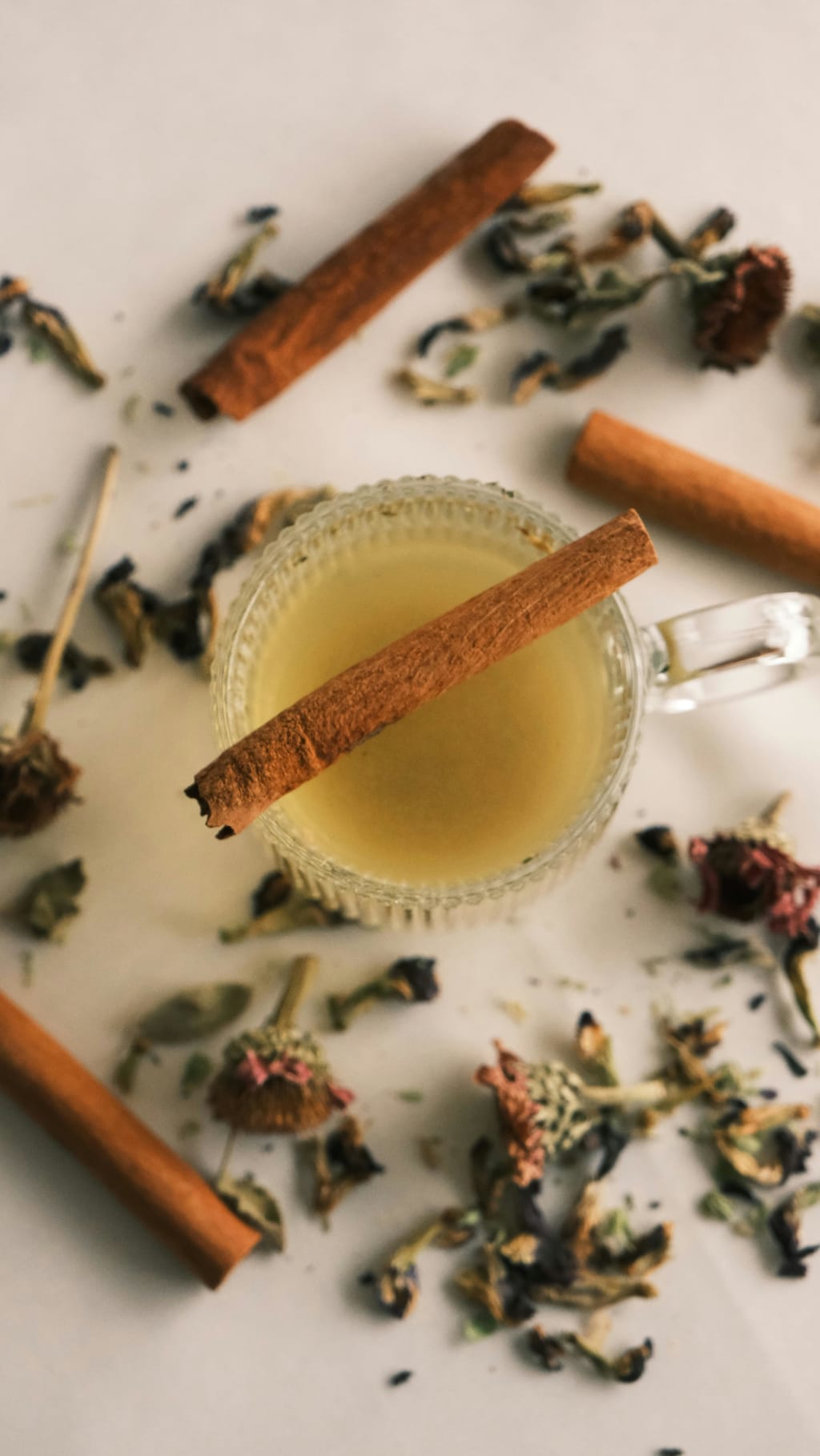
I’d like to discuss an obscure object in scripture that most people don’t know what it is or what its purpose is, but we’ll come to see how valuable it is for Christians to know what Cassia is.
In Ezekiel 27:19, it reads, “Dan and Javan paid for your wares, traversing back and forth. Wrought iron, cassia, and cane were among your merchandise.” In this verse, cassia was among the wares being sold in Tyre. Tyre was a great city of trade. They were buying and selling merchandise, importing them from one place and exporting them to others. Cassia was sought after. According to the commentary of Matthew Henry, “cassia was one of the chiefs of all spices that pleased the taste and smell” (Ezekiel 27:22).
Cassia was also used as an ingredient of the Holy Anointing Oil in Exodus 30:24, “…five hundred shekels of cassia, according to the shekel of the sanctuary, a hin of olive oil.” The ingredients of the anointing oil were liquid myrrh, cinnamon, cane, cassia, and olive oil. This anointing oil was not to be used on humans or copied. It was to be used in the service of the tabernacle, the anointed of the furniture, God’s tent, and the priest. It was sacred and only for the Israelites, God’s people.
We also see cassia in Psalms 45:8, “All Your garments are scented with myrrh and aloes and cassia, Out of the ivory palaces, by which they have made You glad.” According to the Encyclopedia of the Bible, “this cassia probably came from modern-day India. It grows like a thistle about five feet tall and is a well-rooted perennial. This produces a well-known incense used today in temples of modern-day India. The roots that produce the perfume can be found in the mountains of Kashmir. Psalms 45 is a prophecy about Christ and how great He is. His garments are what people notice, not for their grandeur, but for the smell. When you smell the myrrh, aloes, and cassia, you think of royalty since they are the only ones who could afford these spices.
Though mentioned only a few times in the Bible, cassia was never just an ordinary spice. It was part of the anointing oil, a trade spice, and fragrance for garments. In each verse, cassia was mentioned in regard to beauty, holiness, and with a sacred purpose. This spice was set apart.
Cassia was valuable and had a purpose, and was set apart in Biblical Times. In many ways, it is just like us, as Christians, we too have value and a purpose, and that is why we are set apart from this world.
As Christians, we are serving God, following His Word, and sharing the gospel to a world that needs the truth. For this purpose, we are to live in this world but be examples of God’s light.
While cassia had spiritual and symbolic significance in Biblical times, it also continues to have traditional uses today. Though it carries meaning in Scripture, cassia has also been valued throughout history for medicinal and practical purposes. It has long been used as a fragrant, warming spice and has held a place in traditional herbal living.
Cassia comes from the bark of the evergreen tree that is both native to China and cultivated in Southeast Asia. Because it is closely related to cinnamon, the two are often confused. However, cassia is generally darker, thicker, and stronger in flavor, with a more robust and spicy taste.
Historically, cassia has been valued not only for cooking and herbal use but also for its roles in ancient religious and cultural practices, including embalming. Its rich fragrance and warming nature made it a treasured spice in many parts of the world.
Traditionally, cassia has been known as a warming herb and has often been used in teas, herbal decoctions, and other preparations, especially during the colder months. Its warming properties made it a useful addition to seasonal herbal routines.
Today, cassia is used in the kitchen in a variety of ways. It can be added to stews, rice, infused oils, broths, baking, hot beverages, and spice blends. It may also be enjoyed in teas, cereal, warm drinks, or homemade seasoning mixes.
Though cassia is no longer used in the same sacred ways it was in Scripture, it still reminds us of the richness of God’s creation and the practical gifts He has provided through the natural world.
Cassia is one of many fragrant plants found in Scripture that carries both practical and spiritual significance. Like frankincense, myrrh, cinnamon, and hyssop, it reminds us that the natural world was often woven into the worship, daily life, and symbolism of the biblical world.
Learning about cassia not only helps us better understand the Bible, but it also encourages us to see God’s wisdom in creation. From holy use in ancient times to practical use today, cassia remains a beautiful example of how the Lord can use even the smallest things to reveal meaning, purpose, and truth.
About the Creator
Lisa Briskey
I love to write, crochet, and sew. I am a grandmother of two granddaughters.
Follow me on Medium: https://medium.com/@lisabriskey5
And support me on my Ko-fi: https://ko-fi.com/lisaj or https://ko-fi.com/lisabriskey
Keep reading
More stories from Lisa Briskey and writers in History and other communities.
Séances in the White House
The White House, a symbol of political authority and national pride, has also quietly hosted moments of deep personal sorrow and unusual belief. Behind its stately walls, some first ladies—facing overwhelming grief and uncertainty—turned to spiritualism, seeking comfort in séances and the possibility of communicating with the dead. These lesser-known chapters of history reveal a deeply human side of those who lived at the heart of American power.
By Irshad Abbasi about 6 hours ago in History
Donald Trump: The Return of a Political Giant
Donald Trump is one of the most influential and controversial figures in modern politics. His journey from a businessman to the President of the United States is not only unique but also inspiring for many people. Even after leaving office, he continues to play an important role in political discussions and public life.
By aadam khan5 days ago in History
Watching The End Of The World From The Diner
Introduction I am not sure how to approach this. Guy Peellaert was an amazing artist who created iconic fantasy images of famous people, usually musicians or politicians, as well as creating commissioned album covers such as "It's Only Rock'n'Roll" by The Rolling Stones and David Bowie's "Diamond Dogs" which you can read more about below.
By Mike Singleton 💜 Mikeydred 2 days ago in Art




Comments
There are no comments for this story
Be the first to respond and start the conversation.