
Prentiss Banks on Mentorship, Accountability, and Guiding the Next Generation
Mentor Spotlight

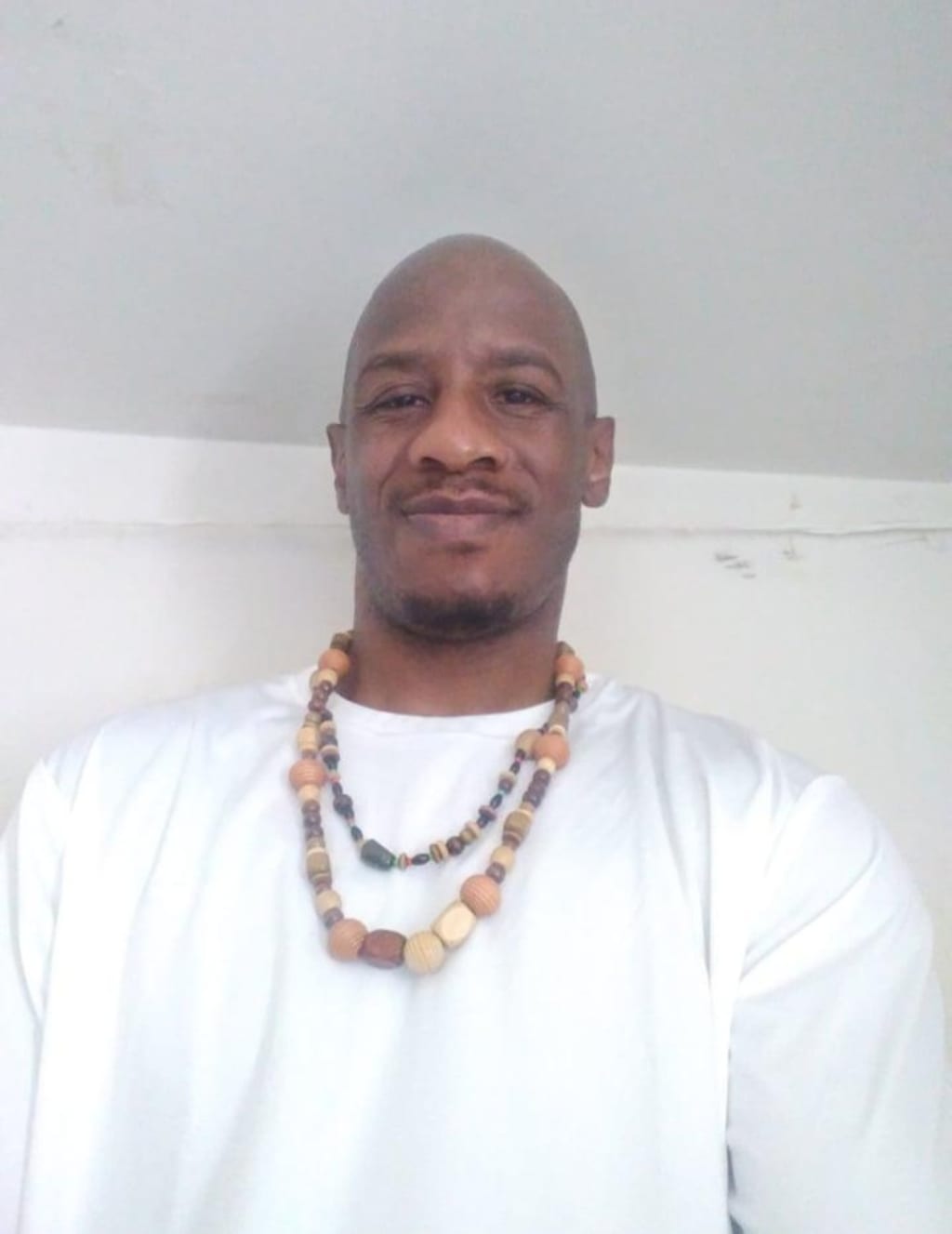
Purpose can emerge from the most unexpected places. For Prentiss Banks, decades spent behind prison walls have become the foundation for a powerful mission centered on mentorship, youth development, and community awareness. Banks has spent more than thirty years reflecting on the decisions that changed his life and the lessons he believes young people should hear before it is too late.
Instead of allowing regret to define his story, Banks has committed himself to helping the next generation understand accountability, discipline, and purpose. Through mentorship initiatives, storytelling, and media outreach, he hopes to reach young people who may be navigating pressure, confusion, or a lack of guidance. His message is rooted not in theory, but in lived experience. Banks believes that while one decision can alter the course of a life, one positive influence can also redirect it.
In this conversation, Banks shares how his personal journey shaped his commitment to mentorship, the challenges he believes young people face today, and why honest conversations about consequences, responsibility, and self-awareness are critical to building stronger futures.
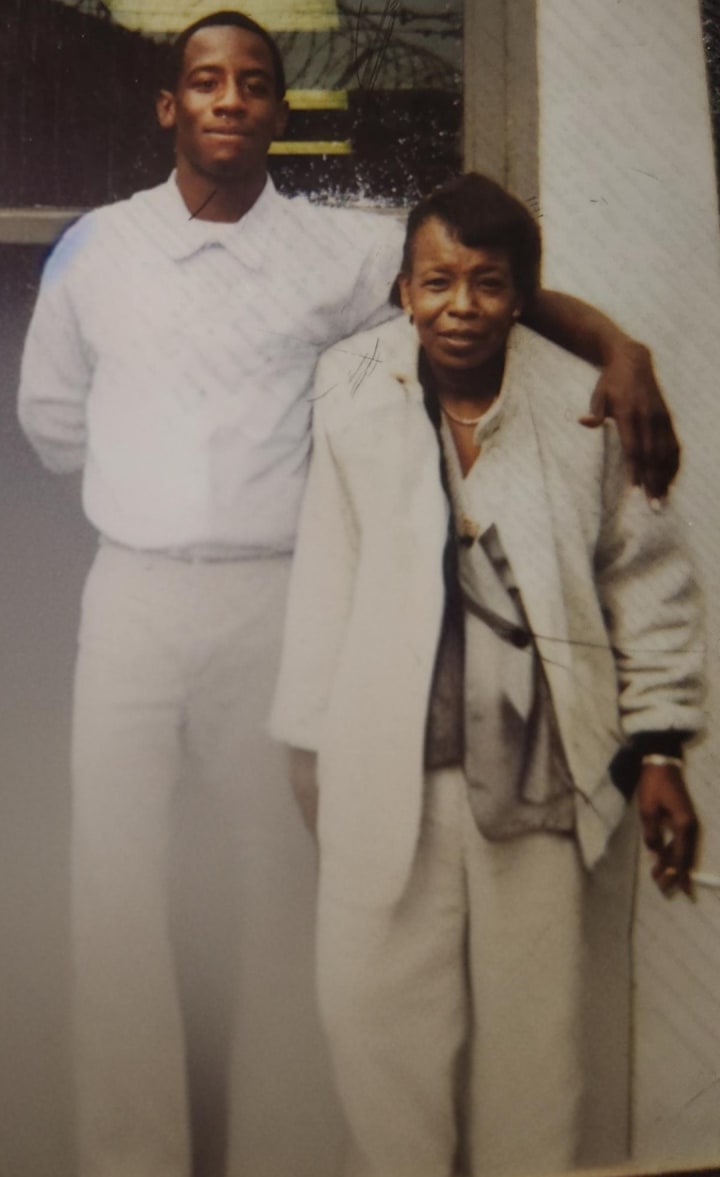
What inspired you to focus your efforts on mentorship and helping young people develop a stronger sense of purpose?
Prentiss: My inspiration comes from my own life. I was only eighteen years old when I lost my freedom and was sentenced to life without parole. I have now spent more than three decades in prison. During those years, I watched young men come into the system the same way I did confused, angry, and without guidance.
I realized that if someone had helped me understand accountability, discipline, and purpose when I was young, my life could have gone in a different direction. Mentorship became my way of turning pain into purpose. I want young people to understand that one decision can change the rest of their life, but one positive influence can change it too.
From your perspective, what are some of the biggest challenges young people face today when it comes to making positive life choices?
Prentiss: One of the biggest challenges is the lack of real guidance. Many young people grow up without consistent role models, without structure, and without anyone teaching them how to think about consequences.
Another challenge is pressure pressure from friends, social media, the streets, and the idea that they have to prove themselves. When you are young, you don't always understand that the decisions you make in one moment can follow you for the rest of your life.
I know this personally, because I made decisions at eighteen that I am still paying for more than thirty-five years later.
You speak about accountability and discipline. Why are these qualities so important for youth development?
Prentiss: Accountability and discipline are what separate reaction from decision.
When young people do not learn discipline, they act on emotion. When they do not learn accountability, they blame everyone else for their situation. Real growth begins when a person can look in the mirror and say, "I am responsible for my choices, and I have the power to change my direction."
Even in prison, accountability is what helped me grow into the man I am today.
How can mentorship change the direction of a young person's life, especially when they may not have many positive role models around them?
Prentiss: Mentorship gives a young person something they may never have had someone who tells them the truth.
A mentor does not just say what sounds good. A mentor says what needs to be said. Sometimes that means telling a young man he is going the wrong way before it is too late.
I have seen young men change completely just because one person believed in them and refused to give up on them.
What are some practical lessons you try to share with young people about personal growth and self-awareness?
Prentiss: I teach young people to ask themselves six questions:
1. Who am I becoming?
2.Where is this decision going to lead me?
3.Will this choice help my future or destroy it?
4. Looking in the mirror what man do i see ?
5. What separates you from your father's life experiences then that of your own?
6. What in your life experiences someone older can learn to be able to help you navigate life successfully?
Also, teach them that growth starts with honesty. If you lie to yourself, you will repeat the same mistakes.
You mentioned developing programs and creative projects for youth. Can you tell us more about the vision behind those initiatives?
Prentiss: My vision is to create programs that combine mentorship, storytelling, and real-life experience.
I am working on projects like youth workshops, spoken-word pieces, and community campaigns that show the reality of prison, violence, and bad decisions. One of my goals is to build programs that schools and community centers can use to help young people think differently about their future.
These projects come from my life, not from theory.
How do storytelling and media play a role in reaching and educating the next generation?
Prentiss: Storytelling reaches people in a way lectures cannot.
When young people hear a real story from someone who lived through the consequences, they listen differently. Media allows that story to reach people who may never step inside a prison or meet someone who has spent thirty-five years behind bars.
That is why interviews, articles, and creative media are important to me. They allow my message to go further than these walls.
What advice would you give to young people who may feel stuck or unsure about their future?
Prentiss: Do not let one moment define your whole life.
You are going to make mistakes. Everyone does. But the mistake is not what destroys you refusing to learn from it is what destroys you.
Find someone who can guide you. Stay disciplined. Stay focused. And never believe that you have no future, because the moment you believe that, you start making decisions that prove it.
Community awareness is a big part of your mission.
In your opinion, how can communities better support young people who need guidance?
Prentiss: Communities need to stop reacting after something happens and start investing before it happens.
We need mentorship programs, youth groups, and real conversations about accountability, violence, and consequences.
Young people should not have to learn life lessons from prison the way I did.
What does leadership look like to you when it comes to mentoring and guiding youth?
Prentiss: Leadership means living what you teach.
You cannot tell young people to be disciplined if you are not disciplined.
You cannot tell them to be accountable if you make excuses.
For me, leadership means using my life even my mistakes to help someone else avoid the same path.
How do you hope your work will impact the next generation in the long term?
Prentiss: I hope my work shows young people that change is possible, but also that prevention is better than regret.
I also hope my story shows the system that people can grow, mature, and change.
Right now I am seeking relief under California law through a Youthful Offender Parole request and a proceeding recognized in People v. Franklin and later cases such as People v. Briscoe, which allow individuals who were young at the time of the offense to present evidence of growth, maturity, and rehabilitation.
My life is proof that people are more than the worst decision they made at eighteen.
What message would you like every young person to hear about their potential and the choices they make in life?
Prentiss: Your life is not decided in one day, but it can be changed in one day.
Think before you act.
Choose discipline over pride.
Choose purpose over pressure.
Because one choice can take you forward…
Or it can take you somewhere you never thought you would be.
About the Creator
Tammy Reese
Tammy is best known for her legendary interviews with Sharon Stone, Angela Bassett, Sigourney Weaver, Geena Davis, Morris Chestnut, Jeffrey Dean Morgan, Sheryl Lee Ralph, Laurence Fishburne, Omar Epps, Joseph Sikora, and more.
Keep reading
More stories from Tammy Reese and writers in Beat and other communities.
Awakening Financial Confidence: Dr. Letitia Scott Jackson’s New Book Inspires Readers to Reimagine Wealth and Personal Power
A new book arriving this month encourages readers to rethink their relationship with money, credit, and personal financial power. Financial educator and author Dr. Letitia Scott Jackson is preparing to release her latest book, The Millionaire In You: Can You See Her Yet? Manifesting and Mastering Your Money and Credit, on March 15. The project blends financial education with personal insight, offering readers a thoughtful guide to understanding how mindset, knowledge, and consistency can influence long-term financial success.
By Tammy Reese5 days ago in Beat
“I Got Blacker”: Jack Harlow’s Statement We Need to Talk About by NWO Sparrow
Jack Harlow “Got Blacker” and Still Didn’t Leave Hip-Hop Behind by NWO Sparrow Jack Harlow said it himself on the Times Popcast this week: “I got blacker.” He was talking about his new R&B-leaning album Monica, and how he approaches music that’s traditionally rooted in Black culture. I get what he was trying to say, even if the phrasing landed awkwardly. I know he didn’t mean to minimize anyone’s experience or make it sound like he can claim some kind of cultural badge. Still, the words themselves were striking, bold enough to make you pause.
By NWO SPARROW2 days ago in Beat


Comments